For parents & teachers
Classic Books for 6- to 9-Year-Olds: How to Start
Great stories don’t have to wait until high school. Here’s how to bring the classics to young readers.
By Sean Lee · October 21, 2026
Why classics, and why now?
Classic novels last because their stories are about things that never change: families, friendship, courage, mistakes and second chances. Children ages 6–9 are ready for those ideas. What they aren’t ready for is the long sentences and old-fashioned words of the originals, and that’s where good retellings and read-alouds come in.
A child who meets Jo March or Elizabeth Bennet at seven already has a friend waiting when they open the original novel years later.
Retellings or the original?
For this age, a faithful retelling is usually the best first meeting. Look for one that tells the whole story, beginning to end, rather than a single scene, keeps the real characters and plot, and includes a few of the author’s own lines. Pictures help children follow a story set in an unfamiliar time.
Some classics were written for children and work well read aloud in the original, chapter by chapter, for children with good listening stamina.
Great first classics
- Pride and Prejudice: a big family, a ball, and a heroine who learns not to judge too quickly.
- Little Women: four sisters, one cozy home, and a year of growing up together.
- Anne of Green Gables: an orphan with red braids and a giant imagination finds a home.
- Sense and Sensibility: two very different sisters learn from each other.
- Emma: a matchmaker whose plans go wonderfully wrong.
Read-aloud tips that work
- Keep sessions short: one chapter, ten to fifteen minutes.
- Explain old words in the moment, in one sentence, and keep going.
- Stop before the end of a chapter now and then and ask, “What do you think happens next?”
- Let children retell yesterday’s chapter before you start today’s.
- Connect the story to their life: “Have you ever decided you didn’t like someone, then changed your mind?”
Make it a ritual: the same chair, the same time, maybe a cup of cocoa. Children remember the feeling of classic-book time as much as the stories.
Signs a child is ready for more
- They ask for “one more chapter”.
- They talk about the characters as if they were real people.
- They notice when a character changes or makes a mistake.
- They start reading pages aloud themselves.
Questions
- What classic books are good for 7-year-olds?
- Faithful children’s retellings of stories like Pride and Prejudice, Little Women and Anne of Green Gables work well at seven, especially read aloud.
- Should kids read abridged classics?
- A good retelling that keeps the whole story, the real characters and some original lines is a great first meeting. The original can come later.
- How do I get my child interested in classic books?
- Read aloud in short sessions, pause to talk about the pictures and characters, explain old words quickly, and connect the story to your child’s own life.
The books
All books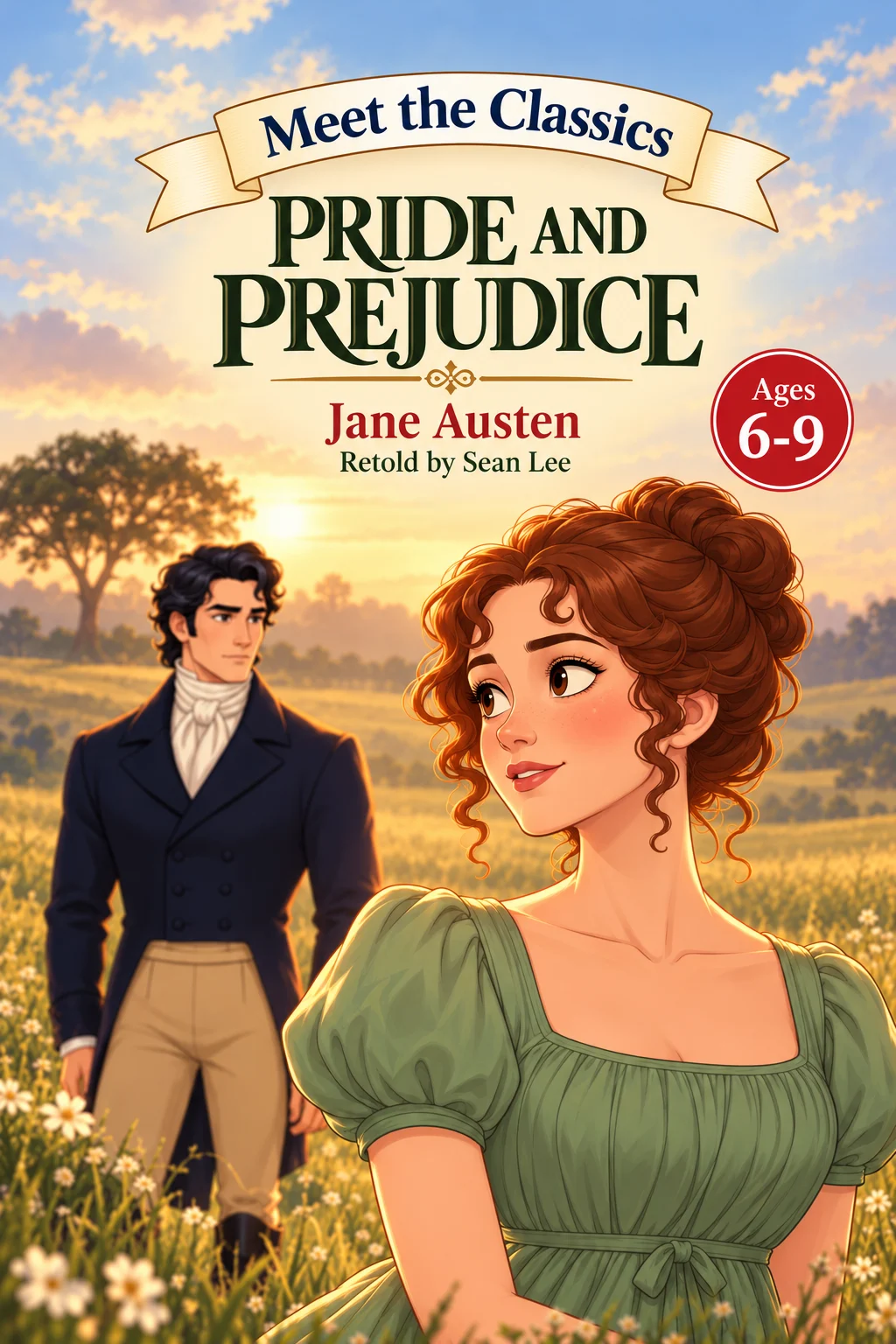
Pride and Prejudice
Ages 6–9, 72 pages
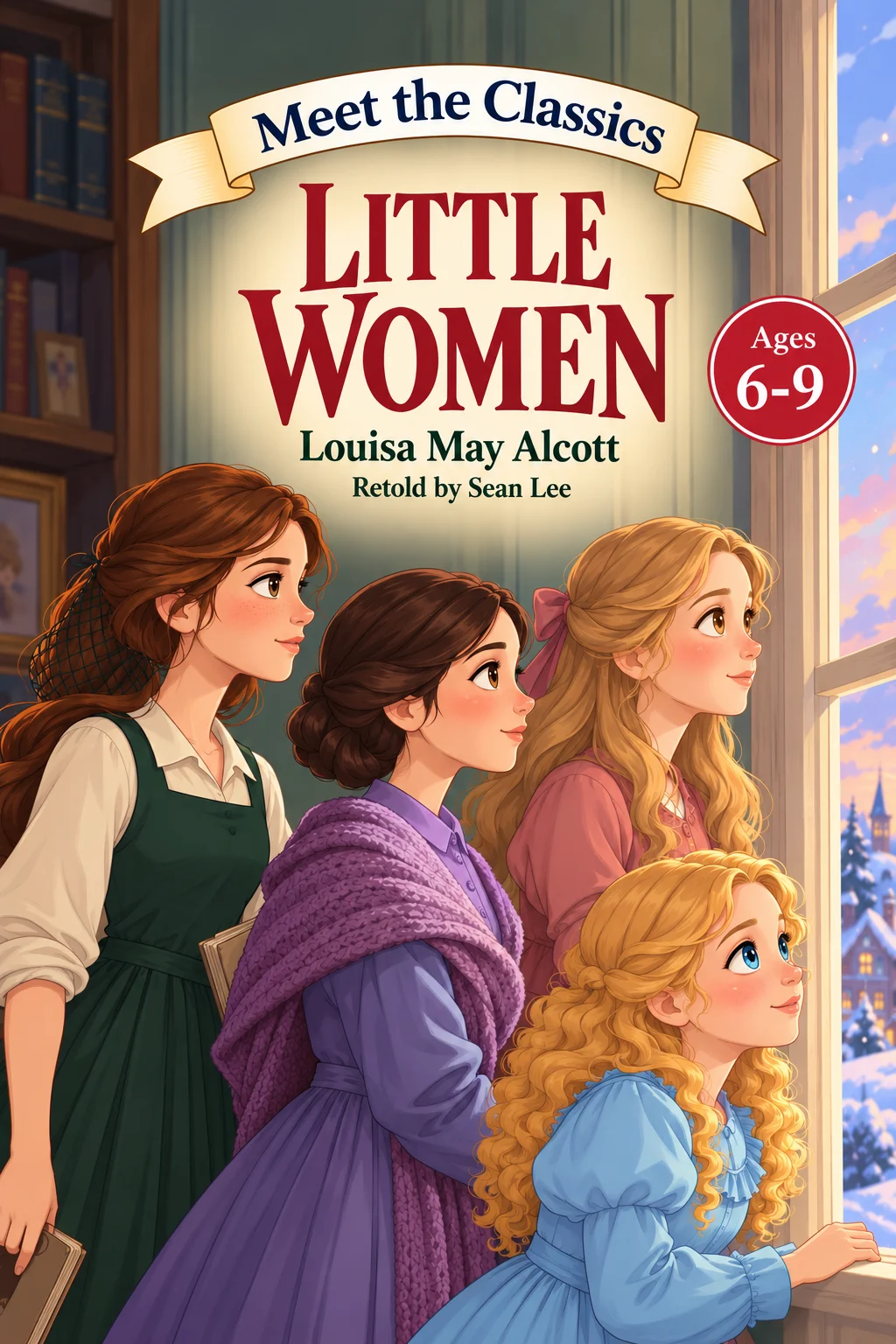
Little Women
Ages 6–9, 72 pages
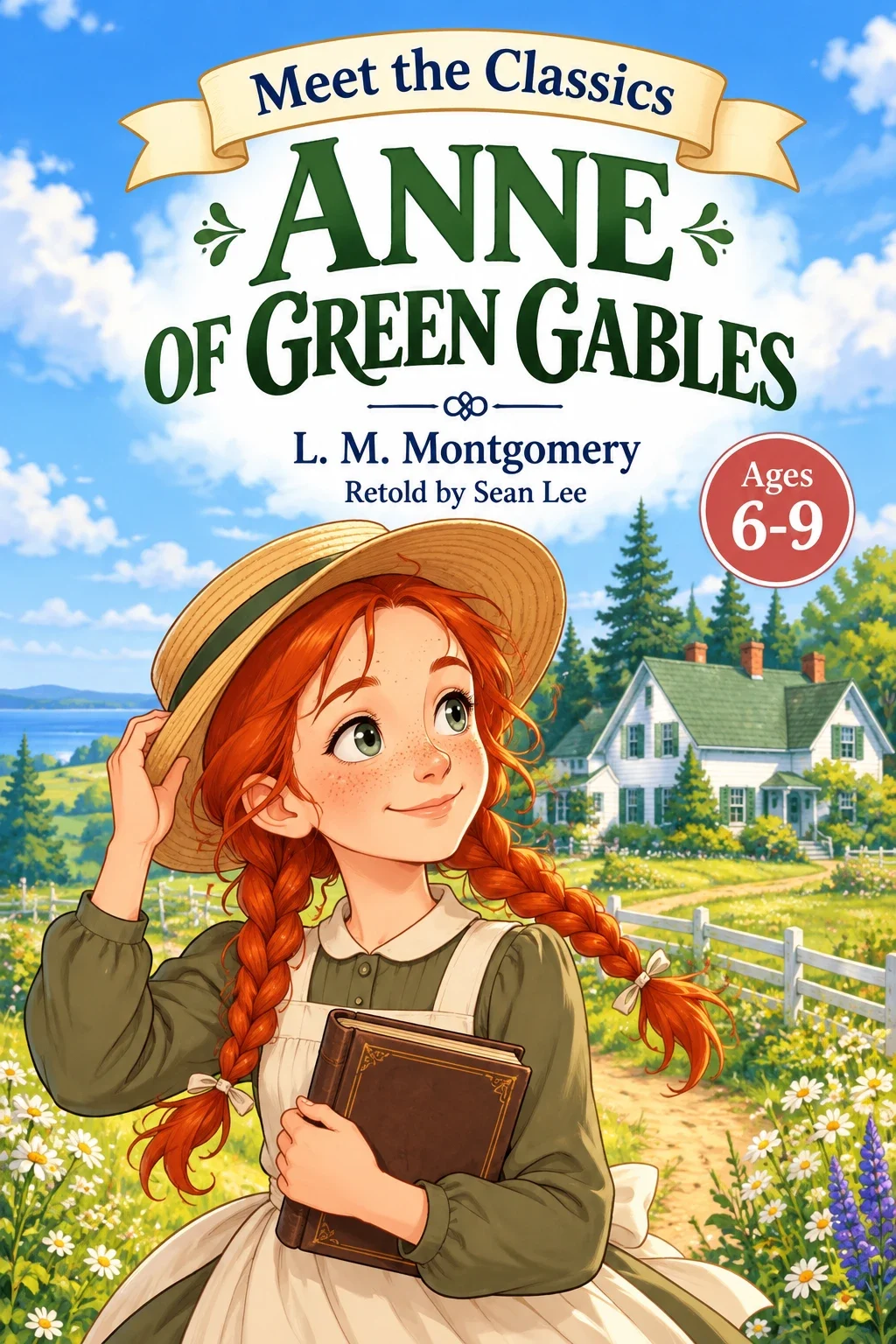
Anne of Green Gables
Ages 6–9, 72 pages
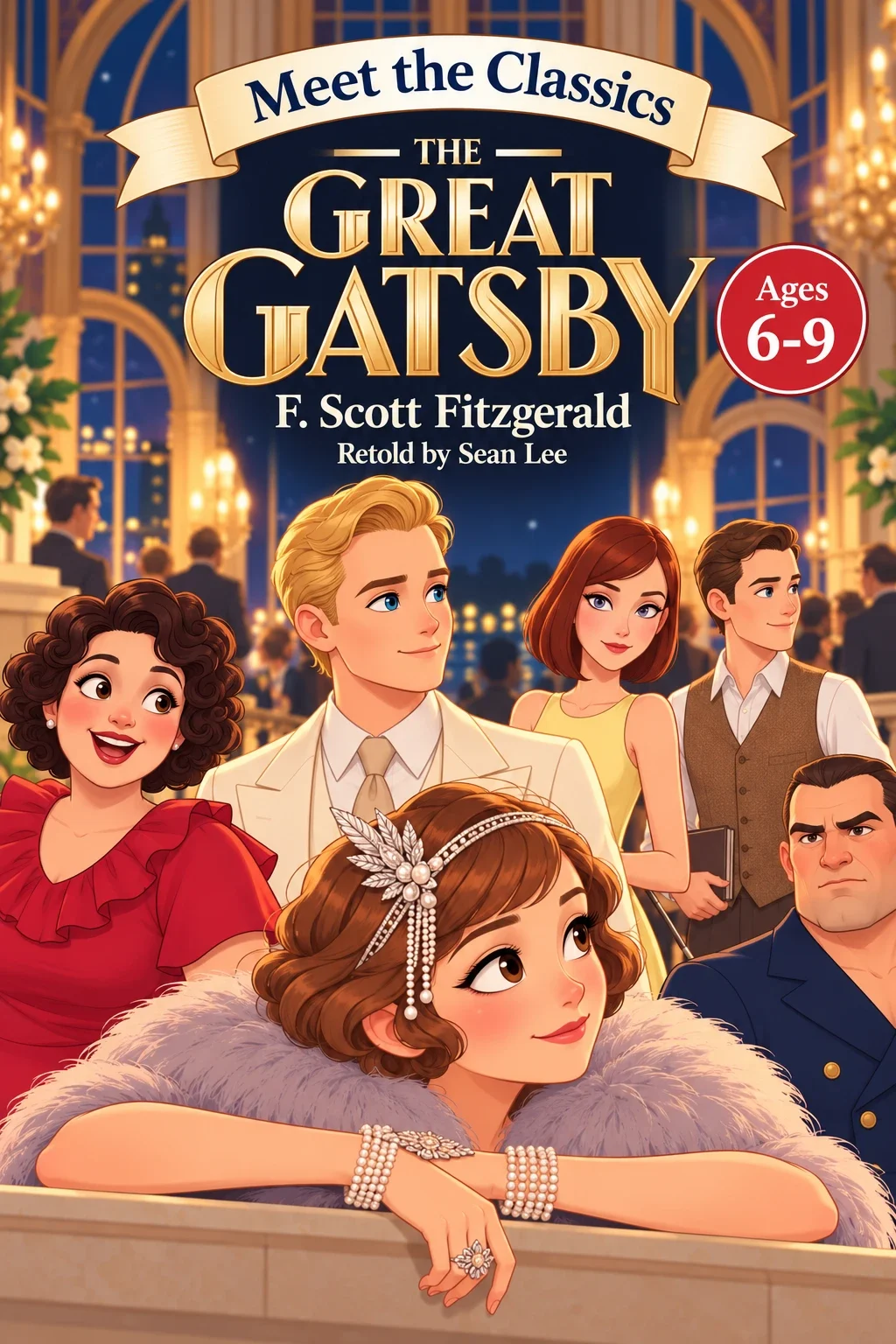
The Great Gatsby
Ages 6–9, 72 pages
Pride and Prejudice characters: who’s whoLittle Women characters: who’s whoAnne of Green Gables characters: who’s whoThe Great Gatsby characters: who’s who