For parents
How to Keep a Heritage Language Alive with Books
Children often understand a home language long before they speak it. Books help bridge the gap.
By Sean Lee · October 22, 2026
Why books matter for a home language
At home, children hear a heritage language about everyday things: meals, bedtime, family. Books add the words for everything else: feelings, adventures, history, jokes. Reading together also makes the language part of something your child loves, not just something they’re asked to practice.
Ten ideas that work
- Make one bedtime story a week always in the home language.
- Use bilingual books so a child stronger in English can still follow every page.
- Take turns: the parent reads the home-language line, the child reads the English line.
- Let your child choose the language some nights, without pressure.
- Ask grandparents to read aloud on video calls; it builds a bond as well as vocabulary.
- Reread favorites. Repetition is how new words stick.
- Talk about the pictures in the home language before reading the words.
- Keep home-language books where children can reach them, next to their English books.
- Celebrate language days, such as International Mother Language Day on February 21.
- Join a weekend language school or a parent group to share books and ideas.
Don’t correct every mistake. Repeat the sentence back correctly and keep the story going; enjoyment matters more than perfection.
Choosing books
- A story your child already loves in English is easier to enjoy in the home language.
- Bilingual books with sentence-by-sentence translations let children check meaning instantly.
- Pictures on every page carry meaning when words are hard.
- Natural, child-friendly translations matter more than word-for-word ones.
Meet the Classics bilingual editions pair every English sentence with its translation in Spanish, Chinese (Simplified), French, German or Korean, beside the same illustrations as the English book.
Questions
- How can I keep my child’s heritage language strong?
- Read together regularly in the home language, use bilingual books, let your child choose the language sometimes, involve grandparents, and keep it fun rather than corrective.
- Are bilingual books good for heritage speakers?
- Yes. They let a child who is stronger in English follow the story while hearing and reading the home language on the same page.
- What if my child answers in English?
- That’s common. Keep reading and speaking the home language warmly; understanding usually grows first, and speaking follows.
The books
All books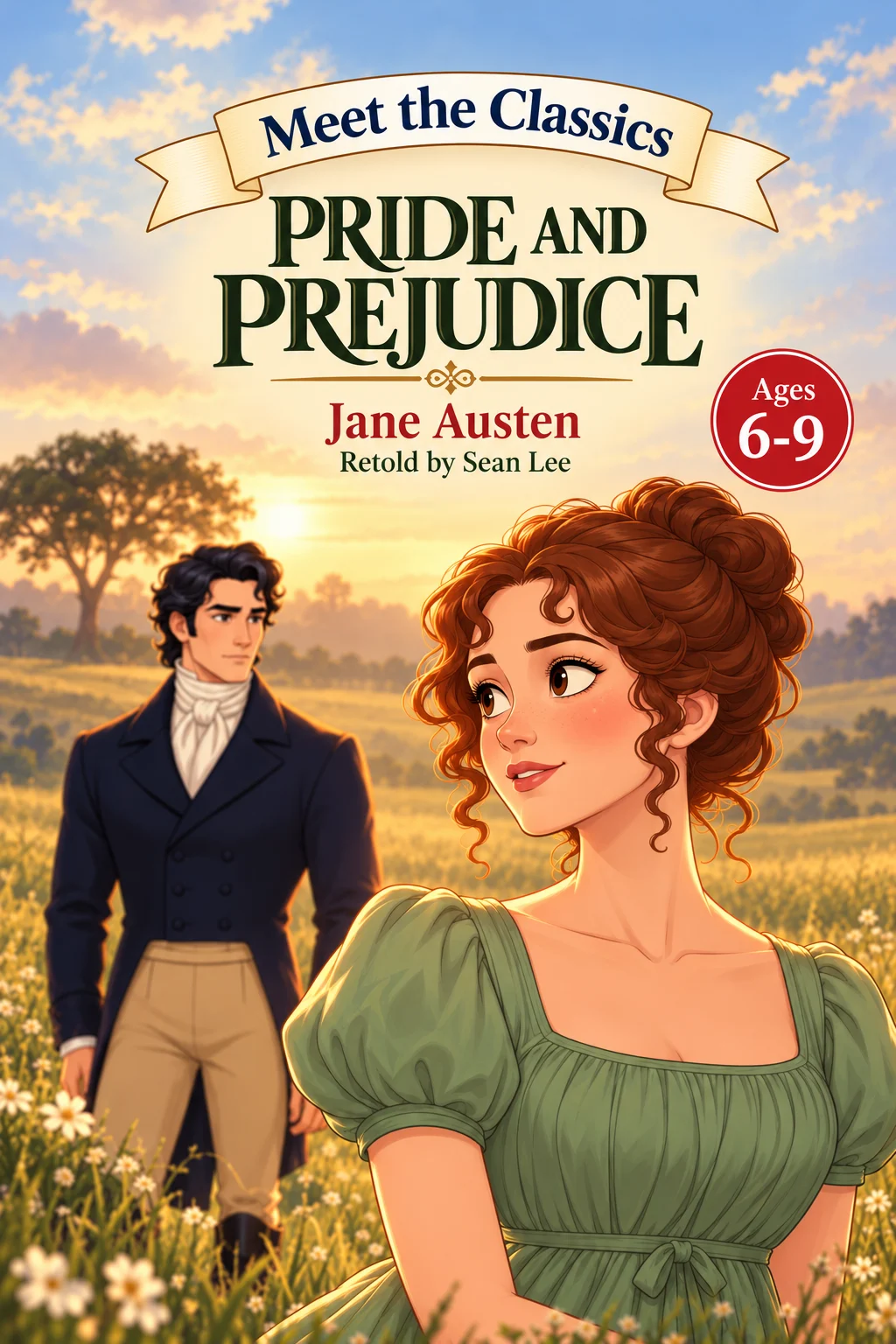
Pride and Prejudice
Ages 6–9, 72 pages
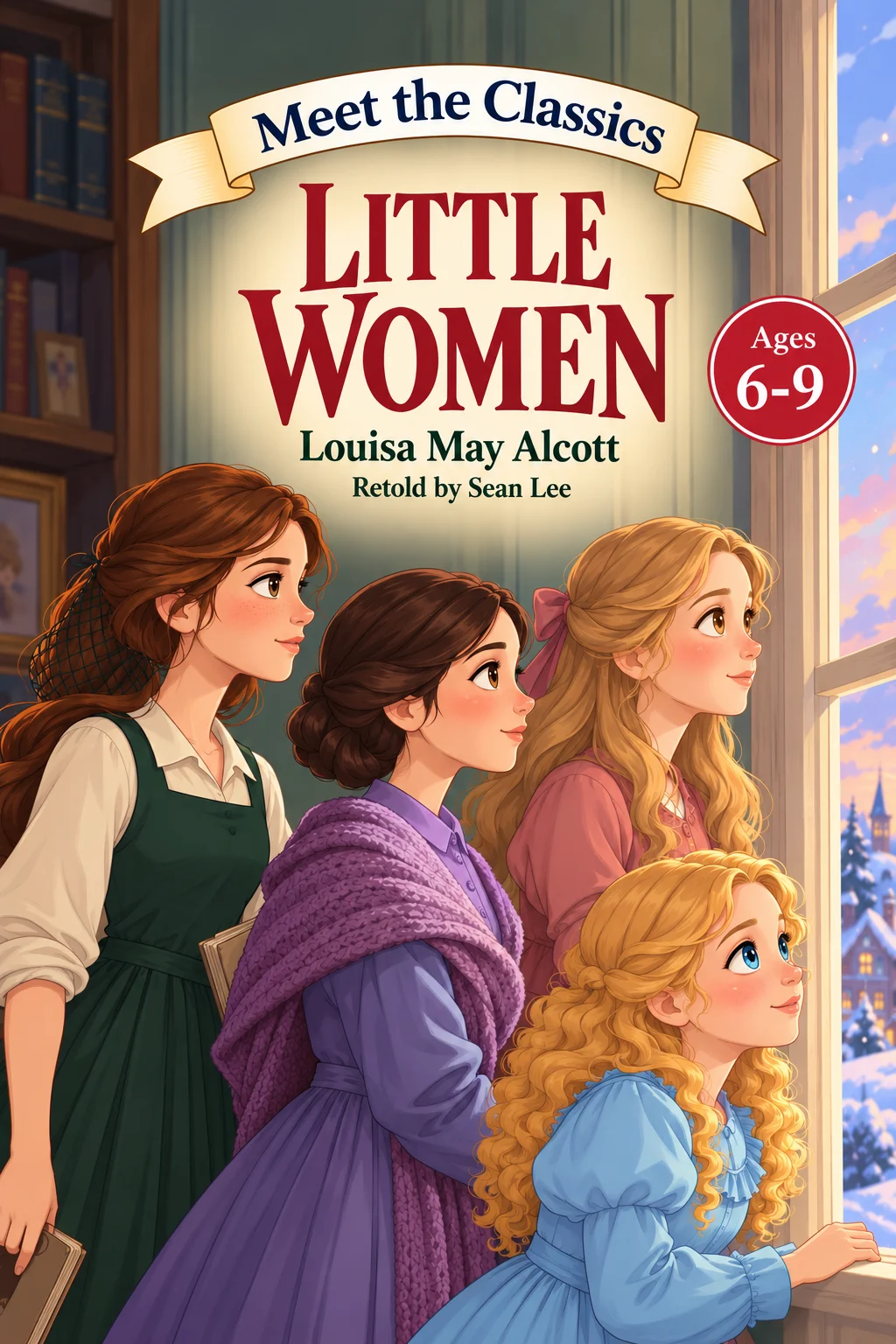
Little Women
Ages 6–9, 72 pages
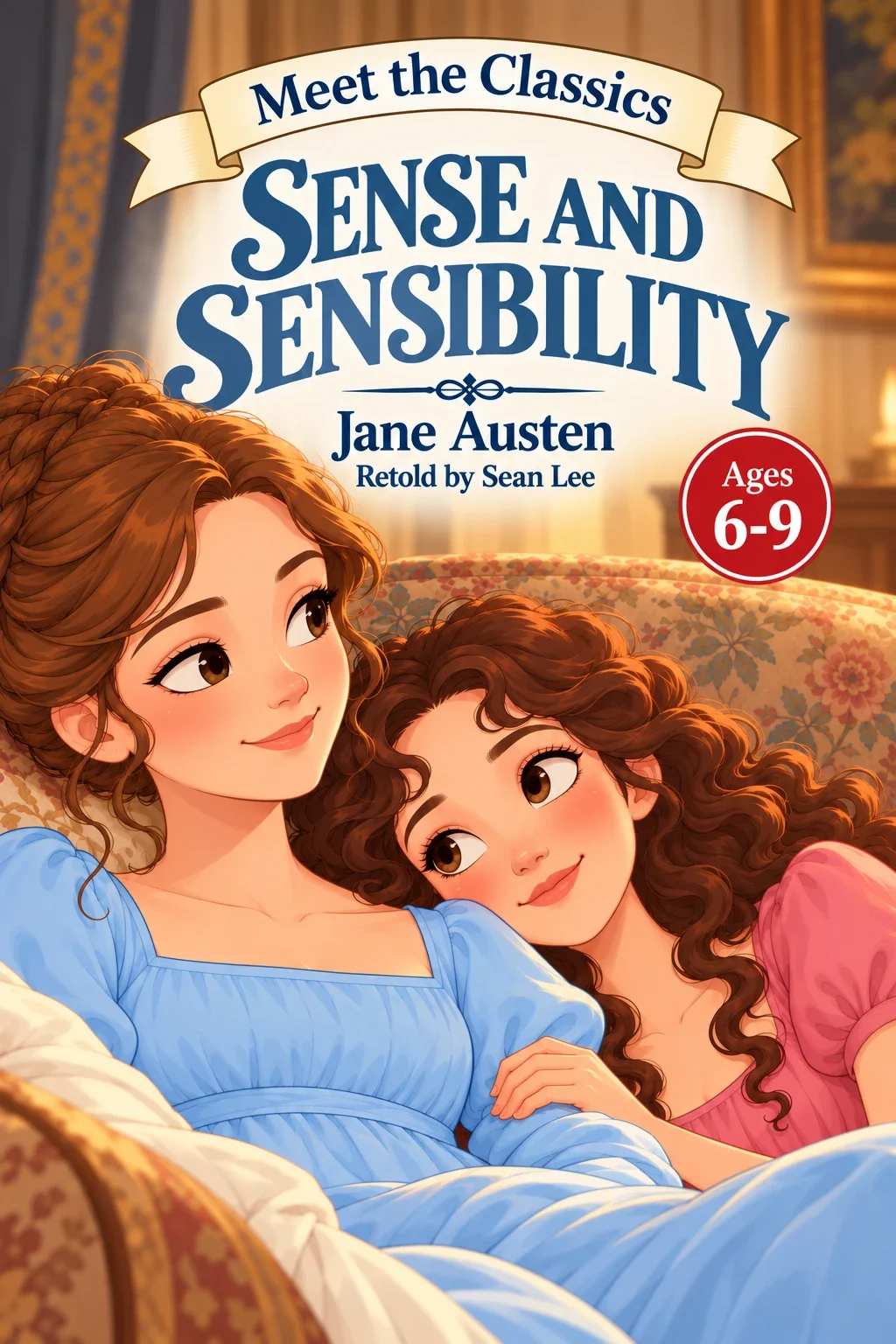
Sense and Sensibility
Ages 6–9, 72 pages
Pride and Prejudice characters: who’s whoLittle Women characters: who’s whoSense and Sensibility characters: who’s who